How Does a Montessori Classroom Encourage Independent Learning?
A child does not learn independence by being told to do everything alone. It grows when children get the right space, time, materials, and gentle guidance. At an Early learning center in Calgary, children can build these skills through real activities, movement, choices, and daily routines.
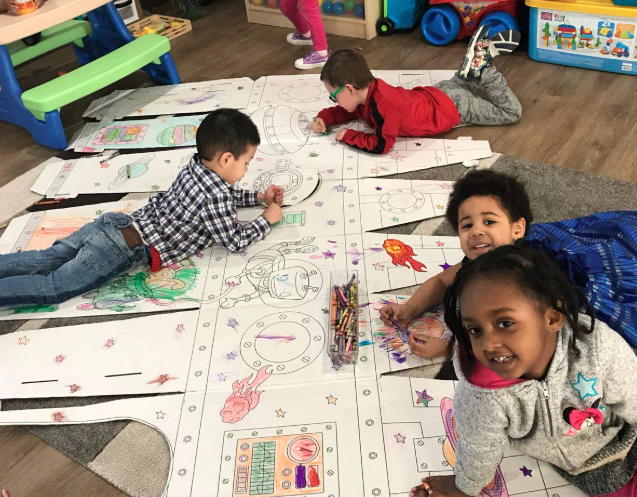
A Montessori classroom gives children room to explore. They can touch materials, repeat an activity, make choices, and try again. Teachers stay close and guide them when needed. This balance gives children confidence while keeping their learning experience safe and caring.
A Prepared Environment for Independent Learning
A prepared environment is a classroom arranged around children’s needs. It gives children a clear place to explore and use learning materials.
The learning space is designed to be:
- Safe and respectful
- Child-focused and friendly
- Filled with materials suited to children’s development
Low shelves, age-appropriate materials, and child-focused spaces let children interact with their surroundings. Instead of waiting for an adult to bring every item, children can take part in their own learning. This is a key part of Montessori early learning in Calgary. The room itself becomes part of the learning experience.
How Children Learn Through Hands-On Activities
Children learn by doing. They touch, move, explore, and repeat activities. For young children, this can include sensory play and movement. Older children use materials for early math, reading, science, and other activities.
This approach can make learning feel real. A child is not only hearing about an idea. The child can hold something, move it, look at it, and try it again. That experience can also build confidence. Each small success gives children a reason to try another task.
Learning Through Choice and Repetition
Children do not all learn in the same way or at the same speed. Montessori learning gives them time to explore activities that match their stage and interests.
A child might choose one activity and repeat it several times. That repetition gives the child a chance to understand the task and feel more confident.
The process can look like this:
Choose → Explore → Practice → Finish → Move on
Teachers remain available to guide children while allowing them to take part in their own learning.
How Practical Life Builds Independence
Practical-life activities connect learning with things children see in daily life. This is especially clear in the toddler program. Children can practice tasks such as pouring water, peeling a banana, and tidying toys. These small tasks teach useful skills. They also build coordination and confidence.
For parents choosing Daycare in Calgary, this kind of learning can matter because care and development happen together. Children are not only cared for during the day. They also get chances to take part in age-appropriate tasks.
Montessori Materials That Encourage Self-Directed Learning
The preschool program uses specific Montessori materials for early learning.
| Material | Learning area |
| Beads | Early mathematics |
| Blocks | Hands-on math learning |
| Sandpaper letters | Early literacy |
| Phonetic sounds | Reading and language |
These materials give children something they can see and touch while learning. For example, sandpaper letters connect touch with letter learning. Beads and blocks give children physical ways to explore early math ideas. This makes the learning experience active rather than passive.
The Teacher’s Role as a Montessori Guide
A Montessori guide does not simply give instructions all day. The teacher watches, guides, and provides suitable activities for each stage of development. Teachers are specially trained in the Montessori method.
Their duties also include planning age-appropriate learning programs, encouraging creative expression, supporting play, and using positive guidance. At the same time, staff care for everyday needs such as meals, naps, personal care, and hygiene. This creates a strong balance between learning and care.
How the Three-Hour Work Cycle Builds Focus
The preschool program includes a three-hour Montessori work cycle. This gives children a long, uninterrupted period for activity choices.
During this time, a child can:
- Choose an activity.
- Stay with it.
- Practice and finish it.
- Choose another activity.
This longer period gives children time to settle into an activity. They can repeat a task instead of stopping after only a few minutes. For a Best daycare in Calgary, details like this show how daily care can include a clear learning structure.
Independent Learning Across Infant, Toddler, and Preschool Programs
Independence looks different at each age. A young baby needs a different kind of support from a preschool child.
| Age group | Examples of independent learning |
| Infants | Reaching, grasping, crawling, and exploring objects |
| Toddlers | Pouring water, peeling a banana, and tidying toys |
| Preschoolers | Choosing activities, using Montessori materials, and completing tasks |
Infants receive floor time, sensory materials, soft flooring, and age-appropriate toys. Toddlers build practical and social skills. Preschoolers get more choice during their three-hour work cycle. This age-based approach allows children to build skills step by step.
How Daily Care Supports Growing Independence
Independence also grows during ordinary parts of the day. Eating, moving, resting, playing, and caring for personal needs all create learning moments. Nutritious snacks are provided, while infant care follows individual feeding and nap routines. As children grow, they get more chances to take part in everyday tasks.
A Daycare in Calgary can therefore provide more than supervision when daily care is connected with children’s development. The wider program also includes outdoor movement, creative activities, social experiences, and emotional learning.
A Safe Environment for Exploring New Skills
Children need to feel safe before they can confidently try something new. The learning environment is designed around safe spaces, age-appropriate materials, cleanliness, hygiene, and supervision. Staff are responsible for maintaining safe indoor and outdoor areas and protecting children’s well-being.
For infants, soft flooring and low shelves support safe movement and exploration. This approach gives children space to try new skills while adults remain responsible for their care.
How Parents Stay Connected to Their Child’s Learning
Independent learning does not mean parents are left out. Parents receive daily updates about things such as:
- What their child ate
- What the child played
- What the child learned
Parent nights also give families a chance to learn more about Montessori ideas and bring some of those practices into home life. Family events, including celebrations and graduation parties, create more chances for parents to stay connected with their child’s experience.
Give Your Child Room to Explore, Choose, and Learn
Families looking for Montessori early learning in Calgary can visit Montessori Early Development Academy to learn about its programs and classroom approach. Tours are available daily from 9:30 AM to 3:30 PM.
Families can call or email to arrange a visit, ask questions, and learn about the program that fits their child’s age. Seeing the prepared environment in person can give parents a clearer picture of how children learn, explore, and build independence each day.
FAQs
1. How does Montessori learning build independence?
Children choose activities, use hands-on materials, practice daily tasks, and repeat activities while Montessori guides provide support when needed.
2. What practical activities build independence in toddlers?
Toddlers can practice pouring water, peeling a banana, tidying toys, using kind words, and working alongside other children during daily activities.
3. What materials support independent preschool learning?
Preschool children use beads, blocks, sandpaper letters, and phonetic sounds for hands-on mathematics, literacy, and early reading activities.
4. Does Montessori learning include childcare?
Yes. The program combines Montessori learning with meals, naps, personal care, hygiene, supervision, indoor activities, outdoor activities, and age-appropriate daily care.