How Does Montessori Learning Help Young Children Become More Independent?
Parents want their children to feel capable in everyday life. Simple moments, such as putting away a toy, pouring water, choosing an activity, or finishing a task, give children a chance to practise independence. At an early learning center in Calgary, these skills can become part of the daily routine through practical life activities, hands-on materials, child-led choices, and guidance from Montessori teachers.
What Independence Looks Like In Early Childhood
Independence starts with small actions. A young child does not need to complete every task alone. Instead, children need age-appropriate chances to try things for themselves.
They can practise:
- Choosing an activity and staying with it.
- Using materials and putting them away.
- Completing small daily tasks.
- Taking part in snack and classroom routines.
These experiences give children time to practise new skills while adults remain nearby to guide them.
How Montessori Learning Builds “I Can Do It” Skills
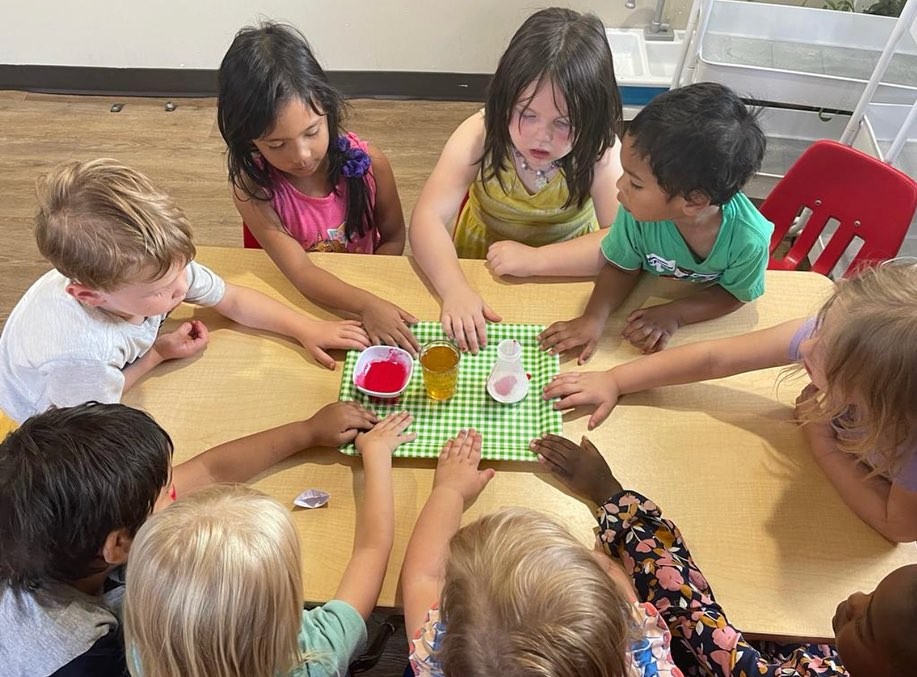
Montessori learning focuses on doing rather than only watching. Children use real materials and take part in activities suited to their stage of development. In a childcare center in Calgary, a toddler might pour water or tidy toys.
A preschool child might count gold beads, build with blocks, or trace a sandpaper letter. The focus stays on practice. Children can repeat an activity and become more familiar with each step. Finishing a task also gives them a chance to see what they can do on their own.
Practical Life Activities That Build Independence
Practical life activities connect learning with everyday tasks. Children practise useful actions while also developing coordination and concentration.
Activities include:
- Pouring water
- Zipping
- Cleaning
- Tidying toys
- Taking turns
- Sharing
- Using manners
Toddlers can also practise tasks such as peeling a banana. These activities give children a role in their daily routines instead of having an adult complete every task for them.
How Children Learn Through Hands-On Choices
Children have different interests. One child might enjoy numbers, while another prefers stories, art, nature, or movement. A Montessori preschool curriculum gives children opportunities to choose activities in a prepared learning space.
Teachers guide the process while children’s interests can shape some learning experiences. For example, an interest in dinosaurs or stars can lead to reading, counting, science, or conversation. This connects a child’s natural curiosity with new skills.
How Teachers Guide Without Taking Over
Independence does not mean leaving children without direction. Montessori guides stay involved while giving children room to try.
Teachers plan age-appropriate learning activities, lead songs and stories, conduct crafts, extend children’s play, and use positive child-guidance strategies.
This creates a balance between choice and guidance. Children get time to practise while teachers remain available for direction, care, and encouragement.
The Role Of The Prepared Environment
The learning space also plays a part in children’s independence. A Prepared Environment is designed to be safe, friendly, respectful, organized, and focused on children’s learning. Children can explore materials and move through activities in a calm setting. The classrooms are described as bright, clean, and peaceful.
For infants, the environment includes:
- Soft flooring
- Low shelves
- Age-appropriate toys
- Sensory materials
Babies can practise reaching, grasping, crawling, standing, and exploring objects while following their own feeding and nap routines.
How Montessori Learning Supports Social Confidence
Independence also includes learning how to interact with others. Children practise sharing, listening, taking turns, using kind words, and showing good manners. A preschool program in Calgary brings these skills into everyday learning through stories, songs, group activities, outdoor play, games, and creative work.
Children also talk about feelings and take part in painting, music, drama, clay, and other forms of creative expression. These activities give children different ways to communicate and take part with others.
How The Three-Hour Work Cycle Builds Focus
The preschool program includes a three-hour Montessori work cycle. During this time, children can choose an activity, begin it, practise it, finish it, and then move to another activity. The longer work period gives children time to stay with an activity instead of changing tasks after only a few minutes.
It supports:
- Concentration through uninterrupted practice.
- Choice, repetition, and task completion.
Completing an activity gives children a clear sense of finishing what they started.
Supporting Independence Through Preschool Learning
Preschool builds on skills children have developed during earlier stages. Learning includes early numbers, letters, reading, science, language, social skills, creative arts, movement, and emotional development.
A Montessori preschool curriculum also uses physical materials for early math. Children can explore gold beads, counting, shapes, quantities, and hands-on number puzzles.
Literacy activities include sandpaper letters, phonetic sounds, stories, listening, speaking, vocabulary development, and word building. Children can feel letter shapes with their fingers while connecting letters with sounds.
How Montessori Learning Continues Across Programs
Independence changes as children grow. Infants begin with movement and sensory exploration. Toddlers practise practical life and language. Preschool children take on longer activities and early academic tasks. An early learning center in Calgary can provide different experiences as children move into Pre-K, kindergarten, and out-of-school care.
Older children can take part in:
- Reading and math activities
- Creative projects and arts
- Library time
- Music and community games
- Homework support
These activities give children new opportunities to make choices, take responsibility, and practise skills suited to their age.
Explore Montessori Learning At A Calgary Preschool
Families searching for a childcare center in Calgary can visit Montessori Early Development Academy at 4315 26 Avenue S.E. Tours are available Monday through Friday from 9:30 AM to 3:30 PM. During a tour, parents can ask questions, see the learning environment, and learn about the available programs.
FAQs
1. How does Montessori learning build independence?
Children practise daily tasks, choose activities, use hands-on materials, repeat activities, and complete tasks while Montessori teachers provide age-appropriate guidance.
2. What practical skills do children learn?
Children practise pouring, zipping, cleaning, tidying toys, sharing, taking turns, using manners, and other daily tasks suited to their stage of development.
3. How does the Montessori work cycle support independence?
The three-hour work cycle gives preschool children uninterrupted time to choose an activity, practise it, complete it, and then select another activity.
4. Can Montessori support independence at different ages?
Yes. Infants explore movement, toddlers practise practical life, and preschool children develop focus, language, math, literacy, social skills, and task completion.