
Montessori Activities for 2-5 Year Olds (Step-by-Step)
Learning is a natural part of growing up. For children between the ages of 2 and 5, the world is like a giant playground full of new things to discover. The Montessori method helps children learn by doing things themselves. This build-it-yourself attitude helps kids become more confident and independent. Below are several easy activities that can be done at home or in a classroom to help young children grow.
Why Montessori Activities Matter
Between ages 2 and 5, a child’s brain is like a sponge. They learn through their hands. By touching, moving, and exploring, they understand how the world works. These activities focus on “Practical Life” skills. This means doing real-world tasks that adults do every day. When a child pours water or buttons a shirt, they are not just playing; they are training their muscles and their minds.
Simple Activities for Different Ages
The following table shows which activities are best suited for specific age groups.
| Activity Name | Target Age | Main Skill Learned |
| Water Pouring | 2 – 3 Years | Hand-eye coordination |
| Color Matching | 2 – 3 Years | Visual recognition |
| Buttoning & Zipping | 3 – 4 Years | Fine motor skills |
| Plant Care | 3 – 5 Years | Responsibility |
| Mystery Bag | 4 – 5 Years | Sensory awareness |
| Sandpaper Letters | 4 – 5 Years | Early literacy |
Step-by-Step Activity Guide
- The Water Pouring Station (Ages 2-3)
Pouring water helps a child control their hand movements. It is a very calm and focused task.
- Step 1: Place two small pitchers on a tray. Fill one pitcher halfway with water.
- Step 2: Show the child how to hold the handle with one hand and support the spout with the other.
- Step 3: Slowly pour the water into the empty pitcher.
- Step 4: If water spills, show the child how to use a small sponge to soak it up. This teaches that mistakes are okay and can be fixed.
- Sorting by Colour (Ages 2-3)
Sorting helps the brain organize information. It is the beginning of math and logic.
- Step 1: Find three bowls of different colours (red, blue, and yellow).
- Step 2: Gather small objects like buttons or blocks that match those colours.
- Step 3: Pick up one red block and say, “This is red. It goes in the red bowl.”
- Step 4: Let the child finish sorting the rest of the items.
- Dusting and Cleaning (Ages 3-4)
Children love to feel helpful. Helping with chores makes them feel like an important part of the family or classroom.
- Step 1: Give the child a small, soft cloth or a tiny duster.
- Step 2: Point to a low shelf or a table that has a little bit of dust.
- Step 3: Show them how to wipe from left to right and top to bottom.
- Step 4: When finished, show them where to put the cloth so it can be washed.
- The Mystery Bag (Ages 4-5)
This activity uses the sense of touch instead of sight. It helps children focus on the shapes and textures of objects.
- Step 1: Place five familiar objects (like a spoon, a ball, a key, a shell, and a toy car) inside an opaque cloth bag.
- Step 2: Ask the child to put their hand inside the bag without looking.
- Step 3: Ask them to feel one object and describe it. Is it hard? Is it round?
- Step 4: Have them guess what the object is before pulling it out.
Important Skills Gained Through Montessori Play
When children participate in these activities regularly, they develop many different types of skills. Here is a list of what they are learning:
- Independence: Learning to do things without asking for help every minute.
- Focus: Staying with one task from start to finish.
- Coordination: Making the hands and eyes work together perfectly.
- Order: Understanding that every object has a specific place where it belongs.
- Grace and Courtesy: Learning how to move carefully and treat objects with respect.
- Self-Correction: Noticing when a tray is wet or a block is in the wrong spot and fixing it quietly.
Creating the Right Environment
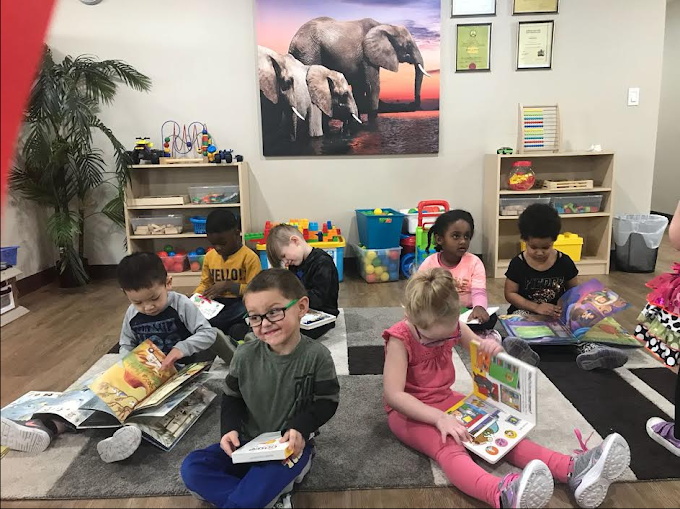
To make these activities work well, the space around the child should be organized. Everything should be at the child’s height. If they can reach the pitcher, the cloth, or the sorting bowls themselves, they are more likely to try the activity.
- Use low shelves that are easy to reach.
- Keep activities on trays so the mess stays in one spot.
- Only put out a few activities at a time so the child does not feel overwhelmed.
- Use real materials, like glass or ceramic, when the child is ready. This teaches them to be careful.
Frequently Asked Questions
Q. What is the best age to start Montessori?
Most children can start Montessori-style activities as soon as they can sit up and hold objects. However, the most popular time to start structured activities is between ages 2 and 3, when they begin seeking independence.
Q. How does Montessori help a child’s development?
It helps children by letting them lead their own learning. Instead of just listening to a teacher, they use their hands to solve problems. This builds confidence, hand-eye coordination, and a love for learning that lasts forever.
Q. Are Montessori activities expensive to do at home?
No. Many activities use basic household items like beans, water, spoons, and old clothes. The goal is to use real-life objects to teach real-life skills, so there is no need to buy expensive plastic toys.
Q. Why is “Practical Life” so important in Montessori?
Practical Life tasks like washing dishes or sweeping help children master their body movements. These tasks also teach them how to complete a cycle of work, which prepares their brains for harder subjects like math and reading later on.
Q. Can Montessori be done alongside traditional school?
Yes. Even if a child goes to a traditional school, they can do Montessori activities at home. Having an organized room and chores they can do themselves helps reinforce the independence they learn elsewhere.
Get Started Today
Providing a child with the right tools to grow is a wonderful gift. By setting up a few simple stations at home, any child can begin the journey of self-discovery. These steps are easy to follow and lead to great results in a child’s behaviour and skill level.
If more information is needed regarding professional programs or specialized learning environments, please visit Montessori Early Development Academy. There are many ways to support a child’s natural curiosity and help them reach their full potential.