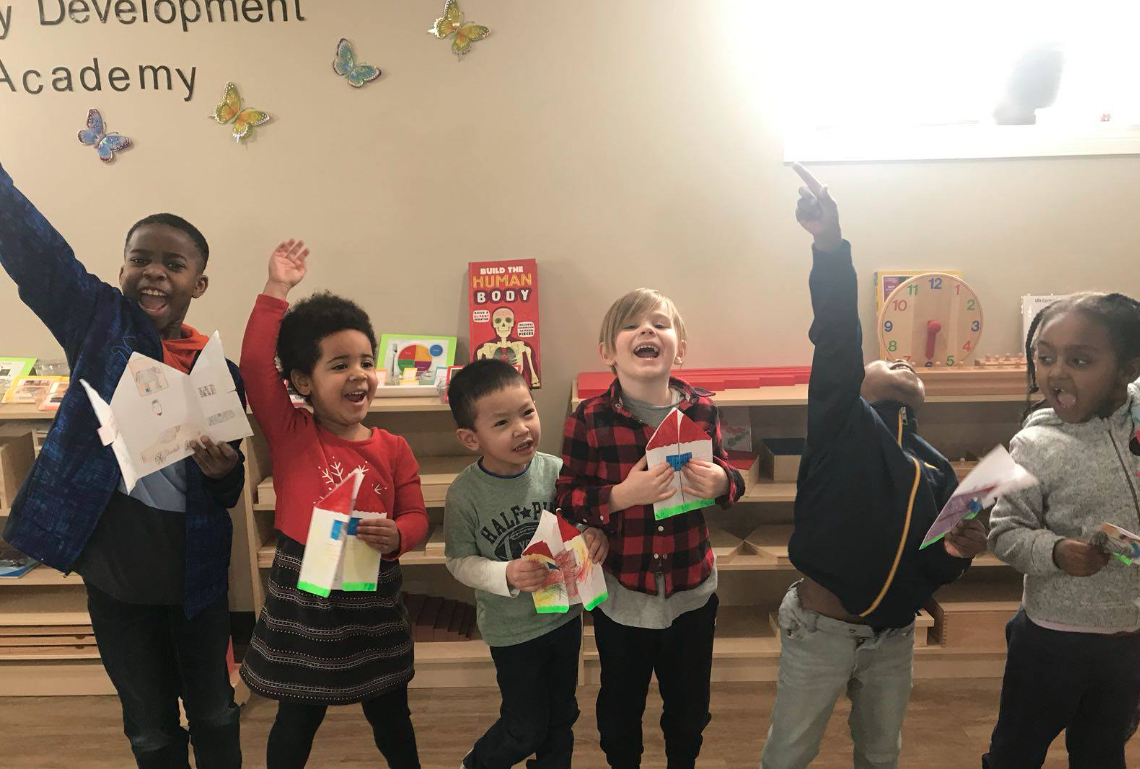
Montessori Early Development Academy: Age-Appropriate Learning for Preschoolers
Age-appropriate learning means giving children activities that fit their stage, needs, and growing skills. At Montessori Early Development Academy, preschool learning for children ages 3 to 5 combines early math, reading, science, hands-on activities, creative expression, and time for children to choose and finish tasks.
The approach gives children room to explore while teachers guide them. As a result, learning is not only about letters and numbers. It also builds focus, confidence, social skills, movement, and independence.
Learning That Matches the Preschool Years
A Focus on Early Skills
Preschoolers are ready to ask questions, try new tasks, and learn from doing. Their daily learning includes:
- Early mathematics
- Reading and literacy
- Science
- Hands-on activities
- Creative expression
- Outdoor movement
These areas give children different ways to learn and stay engaged.
Growing at a Steady Pace
Children do not all learn in the same way. The classroom gives them time to explore activities that match their stage. Teachers can guide children while allowing them to practice skills through real activity.
Hands-On Math With Beads and Blocks
Making Numbers Real
Preschool mathematics uses beads and blocks. These materials give children something they can hold, move, sort, and explore.
Instead of only seeing numbers on paper, children can interact with learning materials. This creates a more active experience and gives them time to build an early sense of number and quantity.
Early Reading Through Touch and Sound
Sandpaper Letters
Sandpaper letters give children a hands-on way to become familiar with letter shapes. They can see and feel the letters as they learn.
Phonetic Sounds
Phonetic sounds are also part of early literacy. Together, these activities give children a practical starting point for sound and letter learning.
This approach keeps early reading active rather than turning it into a long sitting lesson.
The Three-Hour Work Cycle
Time to Choose and Finish
A key part of the preschool day is the three-hour work cycle. Children get uninterrupted time to choose an activity, stay with it, practice, and finish before moving to something else.
This longer period can support concentration because children have time to settle into what they are doing.
A child can:
- Choose a task
- Repeat it
- Stay focused
- Finish when ready
The teacher remains nearby to guide the child when needed.
A Classroom Built for Young Learners
The Prepared Environment
The classroom is part of the learning experience. The Prepared Environment is designed to be safe, friendly, respectful, and suited to children’s development. It includes learning materials selected for young learners.
The space gives children a clear place to move, explore, and interact with materials. This can also support confidence as children learn to take part in their own activities.
Teachers Guide, Teach, and Care
More Than Classroom Lessons
Teachers are trained in the Montessori method and guide children through age-appropriate activities. Their responsibilities also include planning learning programs, encouraging creative expression, extending play, and using positive guidance.
Daily care is part of the same experience. Staff also support:
- Meals and snacks
- Naps
- Personal care
- Toileting or diapering
- Safety and cleanliness
This creates a balance between education and care.
Learning Beyond Letters and Numbers
Emotional Growth
Children are encouraged to understand and talk about feelings.
Creative Arts
The program includes:
- Painting
- Music
- Drama
Physical Development
Outdoor play and movement give children time to stay active.
Social Growth
Children can practice sharing, taking turns, kindness, friendship, and confidence as they spend time with others. These experiences make preschool learning broader than early academics alone.
A Smooth Path Through Early Learning
The preschool program is part of a wider age-based structure. Infant and toddler programs come before preschool, while an out-of-school program is available for older children. This can give families a sense of continuity as children grow. The infant program also describes itself as a foundation for later toddler and preschool learning.
Staying Connected With Families
Daily Updates
Parents receive information about what their child ate, played, and learned.
Family Involvement
Parent nights give families a chance to learn more about Montessori ideas. Family events, such as holiday celebrations and graduation parties, create additional opportunities to stay connected.
What Parents Can Expect From the Program
Parents can expect a preschool experience built around:
- Age-appropriate learning
- Hands-on materials
- Child choice
- Teacher guidance
- Early academics
- Creative activities
- Social development
- Daily care
The center is an accredited and licensed Child Care Service Provider offering Montessori daycare, preschool, and out-of-school programs.
Book a Preschool Tour With Montessori Early Development Academy
Parents can explore Montessori Early Development Academy and learn how its preschool program brings together academic foundations, creative activities, social growth, and daily independence. Families can arrange a tour to learn more.
FAQs
1. What age is the preschool program for?
The Preschool Leaders program is listed for children ages 3 to 5. It focuses on early math, reading, science, hands-on learning, and a three-hour Montessori work cycle.
2. What materials do preschool children use?
Children use beads and blocks for early math, along with sandpaper letters and phonetic sounds for early literacy and reading activities.
3. What is the three-hour work cycle?
It is uninterrupted learning time when children can choose an activity, stay focused, practice, complete it, and then move to another activity.
4. How can parents learn more about the preschool?
Parents can book a weekday tour between 9:30 AM and 3:30 PM. During the visit, families can ask questions, learn about programs, and receive registration information.