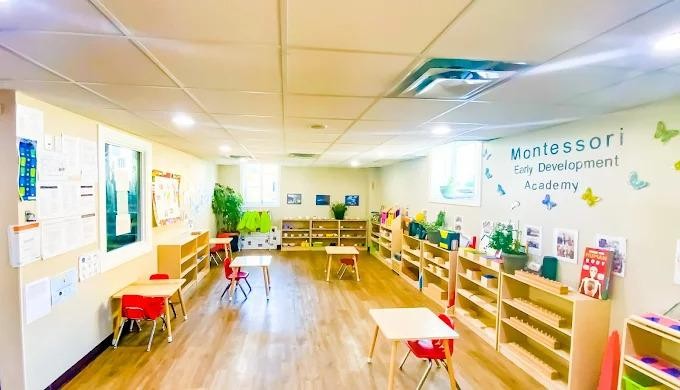
Montessori Vs Preschool For Speech Development
Speech is one of the first things children learn. It helps them talk, share feelings, and understand others. It also helps them feel confident. At Montessori Early Development Academy, children learn calmly and simply. They talk during daily activities, listen to teachers, and slowly learn new words step by step.
Many parents wonder which is better for speech development, Montessori or preschool. Both help children learn to speak, but in different ways. Let’s understand this in a very simple way.
Early Learning And Speech Growth
Children start learning speech very early. First, they listen. Then they try small words. Slowly, they start speaking full sentences. The environment around children is very important.
Simple things that help speech:
- Talking with children every day
- Using simple words
- Repeating words again and again
- Naming things around them
- Speaking during daily tasks
More easy points:
- Children learn by listening first
- They copy what they hear
- Repetition helps learning
- Feeling safe helps with speaking
- Daily talk improves confidence
When children are relaxed, they learn to speak more easily.
Montessori And Speech Skills
In Montessori learning, speech grows in a natural way. Children do not sit for formal speaking lessons. They learn while doing activities.
At Montessori Early Development Academy, children speak during real tasks like cleaning, sorting, and using objects.
Simple ways Montessori helps speech:
- Teachers name objects during work
- Children hear and repeat words
- Talking happens during activities
- Picture cards help learning
- Short stories are used
More simple points:
- Saying names of things like cup, spoon, chair
- Talking while doing small tasks
- Listening and replying to teachers
- Repeating words many times
- Talking in small groups
Children feel free and relaxed. There is no pressure to speak perfectly.
Preschool And Communication Skills
Preschool is more structured. Children learn speech in groups with teachers guiding them. They speak during planned activities.
Simple preschool speaking activities:
- Singing songs
- Story reading
- Answering teacher questions
- Show and tell
- Group circle time
More simple points:
- Children speak in groups
- Teachers lead the talking
- Fixed time for speaking
- Learning new words daily
- Classroom interaction
This helps children learn how to speak in front of others.
Key Differences In Speech Development
Montessori and preschool both help speech, but in different ways.
Montessori:
- Learning during daily activities
- Natural speaking
- Calm environment
- Children speak when ready
- No pressure
Preschool:
- Group learning
- Planned speaking lessons
- Teacher-led talking
- Structured practice
- Group communication
More simple differences:
- Montessori = slow and natural learning
- Preschool = structured and guided learning
- Montessori uses real-life activities
- Preschool uses classroom lessons
- Montessori builds confidence slowly
- Preschool builds group speaking skills
Both are helpful for children.
Role Of Teachers In Language Growth
Teachers help children learn to speak in both systems.
In Montessori:
- Teachers speak softly
- They show words during work
- They let children speak freely
- They guide gently
- They do not interrupt much
Simple teacher actions:
- Naming objects
- Helping repeat words
- Giving time to speak
- Encouraging talking
- Watching quietly
In preschool:
- Teachers lead group talk
- They ask questions
- They correct speech gently
- They guide classroom speaking
- They encourage group participation
Both help children learn language.
Activities For Speech Development
Both systems use simple activities for speech.
Montessori activities:
- Naming objects
- Picture cards
- Talking during tasks
- Short stories
- Matching words and objects
More Montessori points:
- Repeating instructions
- Talking during play
- Listening and replying
- Small group talk
Preschool activities:
- Singing songs
- Storytelling
- Show and tell
- Group discussions
- Teacher questions
More preschool points:
- Speaking in front of class
- Learning new words
- Group games
- Repeating stories
Both help children speak better.
Which Is Better For Speech Growth
Montessori may be better for children who:
- Are shy
- Need more time
- Like calm places
- Learn through activities
Preschool may be better for children who:
- Like groups
- Enjoy talking
- Learn fast in class
- Like structured learning
Simple summary:
- Montessori = slow and natural speech
- Preschool = structured group speech
- Both are useful
It depends on the child.
Start Your Child’s Learning Journey
Every child learns at a different pace. Some start speaking early, while others take more time, and both are completely normal.
At Montessori Early Development Academy, children learn in a calm and caring environment. They take part in daily activities, listen to teachers, and slowly, naturally build their speaking skills. There is no pressure, only gentle support and steady learning.
Choosing the right early learning environment makes a big difference. A calm and structured setting helps children grow in speech, confidence, and independence naturally.
FAQs
Q. How does Montessori help speech development?
A. Montessori helps speech by letting children learn through daily activities. They hear words, repeat them, and speak naturally without pressure.
Q. Is preschool good for speech development?
A. Yes, preschool helps speech through group activities like songs, stories, and classroom talking, where children learn to speak with others.
Q. Which is better for shy children?
A. Montessori is often better for shy children because they can speak slowly and freely without pressure or forced speaking.
Q. Do children speak more in Montessori or preschool?
A. Children speak differently. Montessori supports slow, natural speaking, while preschool supports more group speaking in structured settings.
Q. Can both help improve communication skills?
A. Yes, both help children. Montessori builds natural speaking confidence, and preschool builds group speaking and listening skills.