Screen Time Vs Hands-On Learning: What’s Better for Toddlers?
For toddlers, hands-on learning is the stronger choice because it gives them movement, touch, language, and real-life practice. Screen time may keep a child still, but Daycare enrollment in Calgary often starts with parents looking for a place where children learn by doing, not just watching.
Understanding Screen Time And Hands-On Learning For Toddlers
Screen time gives a child pictures, sounds, and quick attention. Hands-on learning gives a child toys, tools, movement, and real tasks. That difference matters a lot in the toddler years because young children learn best through action, not long sitting.
In a calm Montessori setting, toddlers are encouraged to pour, clean, speak, move, and try again. That kind of learning feels alive to them. It also fits the age group from 19 months to 3 years, where curiosity is always high.
Why Early Childhood Learning Methods Matter In Calgary Daycare Settings
A strong early learning setting gives children more than care. It gives them rhythm, trust, and daily habits they can carry forward. In an Affordable daycare in Calgary, families often look for care that also supports growth, not just supervision.
The setting in SE Calgary serves infants, toddlers, preschoolers, and school-age children in a licensed Montessori space. That means the child is surrounded by trained educators, prepared classrooms, and a clear learning path. For toddlers, that kind of setting can shape how they learn from the very beginning.
Screen Time Impact On Toddler Brain Development
Screen time can keep toddlers quiet, but quiet is not the same as learning. Toddlers need movement, language, and real interaction to grow well. Too much passive time can push active learning aside.
What toddlers miss with too much screen time
- Real touch and movement
- Back-and-forth talking
- Practice with daily life skills
What they gain through active care
- Better balance and coordination
- Stronger social awareness
- More confidence in doing things alone
Benefits Of Hands-On Learning In Early Years Education
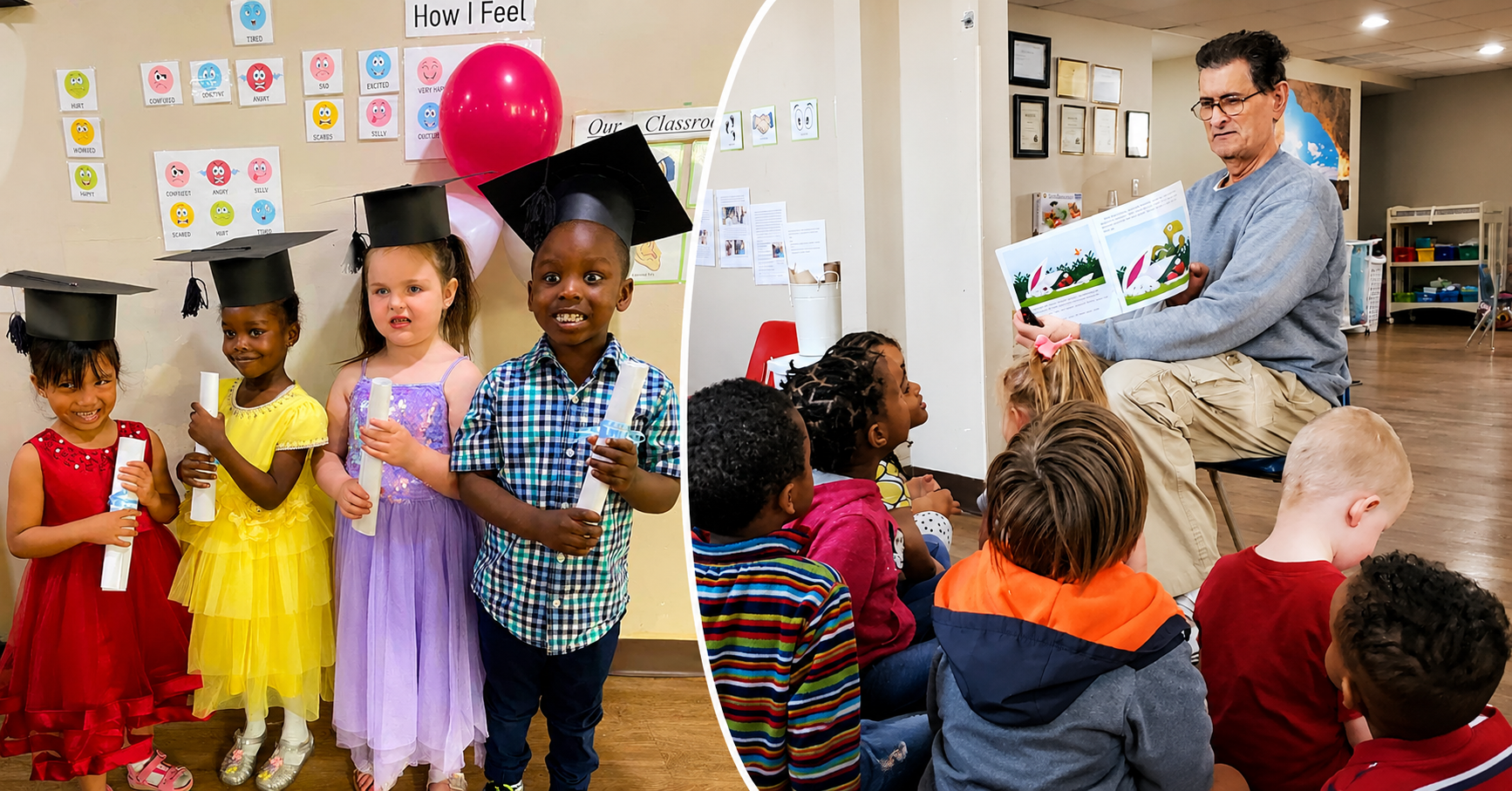
Hands-on learning gives toddlers a chance to use their hands, eyes, and voice together. This is where growth feels natural. Children can pour water, clean toys, and join storytime in a way that makes sense to them.
The Toddler Montessori program supports this very well because it focuses on language development, social growth, and practical life skills. Children also build emotional awareness through daily routines that feel calm and steady.
Role Of Toddler Montessori Program In Active Learning
The Toddler Montessori program for children aged 19 months to 3 years uses daily tasks that feel real to toddlers. They learn by pouring water, peeling bananas, cleaning up toys, singing songs, and building vocabulary through storytime.
These small moments matter because toddlers start learning independence in tiny steps. They do not need a long lesson. They need a chance to try, repeat, and feel proud.
How Preschool Programs In Calgary Balance Digital And Physical Learning
Preschool programs in Calgary in this setting focus on early literacy, math, science, and school readiness for ages 3 to 5 years. The learning cycle lasts three hours, which gives children enough time to settle into activities and stay focused.
The classroom uses:
- Beads and blocks for math
- Sandpaper letters for writing readiness
- Phonics for early reading
- Science tasks for curiosity
That kind of learning stays physical, calm, and child-led.
What Parents Consider In Daycare Enrollment Decisions
Parents do not just ask, “Is there space?” They also ask whether the place feels right for their child. In Daycare enrollment in Calgary, the process starts with an inquiry, then a tour, then registration.
The tour runs Monday to Friday from 9:30 AM to 3:30 PM, and families see classrooms, hear program details, and receive the registration package. Children must also be toilet-trained before joining.
Practical Learning Activities Used In Quality Daycare Centers
Toddlers learn best through real life. In this setting, the day includes simple actions that build skill and confidence.
- Pouring water
- Peeling bananas
- Cleaning up toys
- Songs and vocabulary building
- Storytime sessions
These are small tasks, but they carry big value. They support movement, speech, memory, and self-control.
Start Your Child’s Learning Journey Today
A good start matters, especially in the preschool years. Families exploring Preschool programs in Calgary can expect a calm, licensed Montessori environment with trained teachers, prepared rooms, and a clear enrollment path. Montessori Early Development Academy serves Dover, SE Calgary, and nearby communities, with weekday hours from 6:30 AM to 6:00 PM.
FAQs
Q. Is hands-on learning better than screen time for toddlers?
A. Yes. Toddlers learn more from touch, movement, talking, and doing real tasks. Hands-on learning supports language, balance, confidence, and social growth in a way screen time cannot match.
Q. What age groups are accepted in the toddler program?
A. The toddler program is for children aged 19 months to 3 years. It focuses on language, social skills, and practical life activities like pouring, cleaning, and simple self-care.
Q. What is needed before daycare enrollment?
A. Children must be toilet-trained before joining. Parents also need to complete registration forms, submit documents, and pay the required fee during enrollment or waitlist placement.
Q. What do preschool programs in Calgary focus on?
A. They focus on early literacy, math, science, and school readiness using hands-on materials and a calm 3-hour learning cycle.